2 min read
How the color process works on a TV series
The color workflow of a TV series, from look development to episode delivery. How is consistency kept at a weekly broadcast pace?
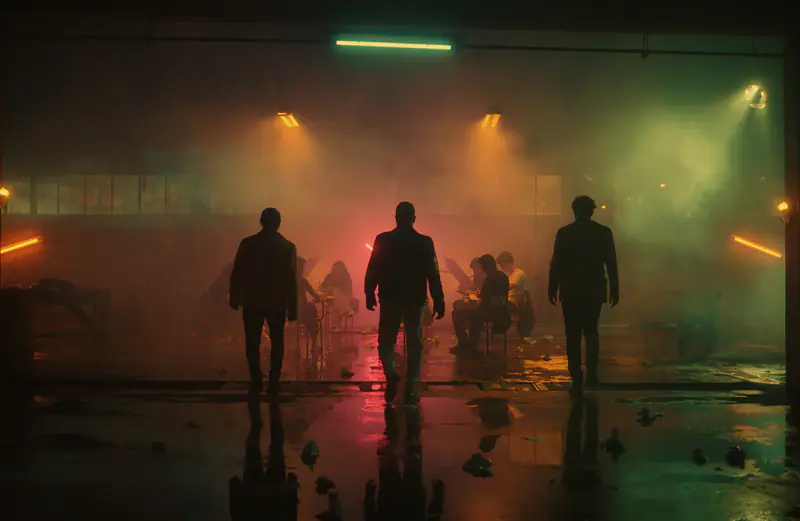
On a feature film, color grading is one big process. On a series, it becomes a marathon that runs for weeks or even months. Every episode has to be consistent within itself, and at the same time speak the same language as the whole season.
1. Before the shoot: look development
The process often starts before the first camera rolls. References, the color palette and the overall atmosphere of the series are discussed with the director and cinematographer. A look is developed from camera tests and prepared so it can be viewed on the monitors on set.
That way the crew sees something close to the final image while shooting, and lighting and art department decisions can follow it.
2. During the shoot: dailies
Each shooting day's footage is prepared and sent to editorial and production. The goal at this stage isn't final quality but a consistent, readable image. Problems caught here, such as a lighting difference within a scene, save a lot of time later.
3. Picture lock and conform
Once an episode's edit is locked, the timeline is brought into the grading environment and relinked to the original high-quality camera files. This step makes sure the color process runs on the highest-quality material.
4. Grading the episode
This is where the main color work happens:
- First the technical transform and balance are set,
- Shots are matched within each scene,
- The look is applied to suit each scene: night scenes, interiors and flashbacks each get their own tone,
- Secondary corrections handle skin tones, skies or details that need attention.
On a series, the biggest challenge isn't making one frame beautiful. It's keeping hundreds of shots in the same character, week after week.
5. Review and delivery
The episode is reviewed with the director and production, and finished according to their notes. Masters are then prepared to the broadcaster's or streaming platform's technical requirements and delivered.
The secret to consistency
Working with the same colorist and team throughout the season is the single biggest factor in protecting the look. Reference frames from earlier episodes, starting setups by scene type and regular communication with the director keep the quality steady even at a weekly pace.
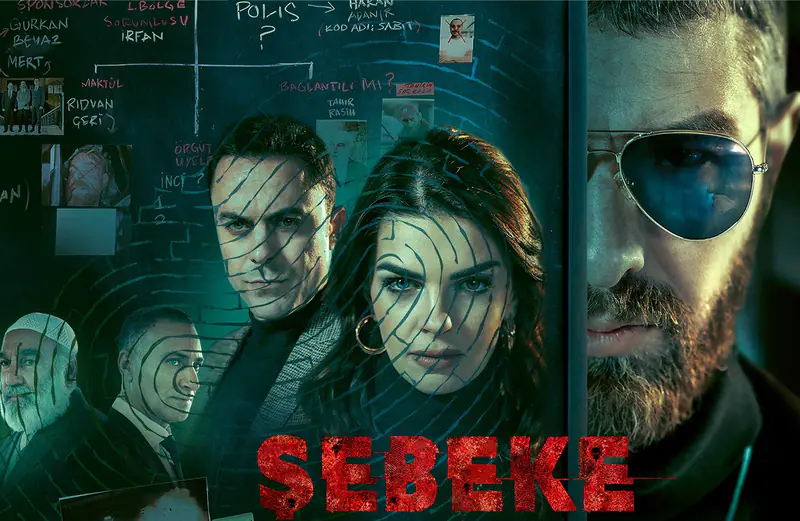
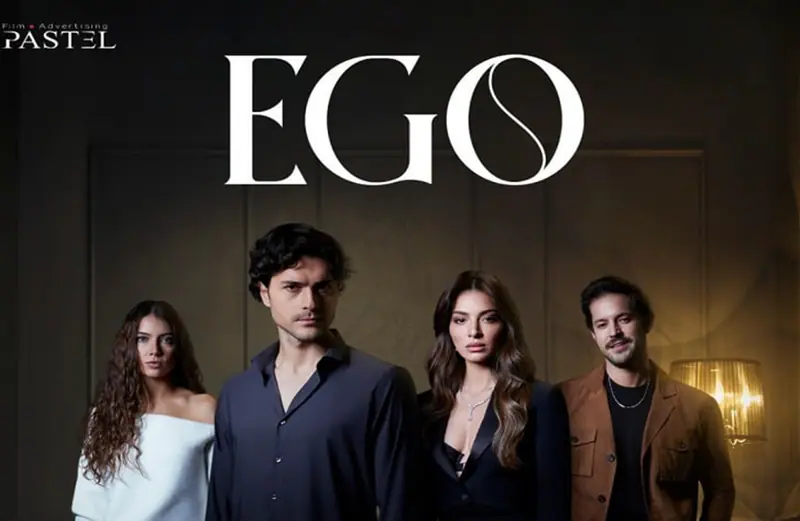
At Color B Studio, senior colorist Burak Turan has graded many series, including Şebeke, Ego, Kader Bağları and Börü 2039. If you'd like to talk about your series, write to us or browse our work.