


Guide
What is color grading?
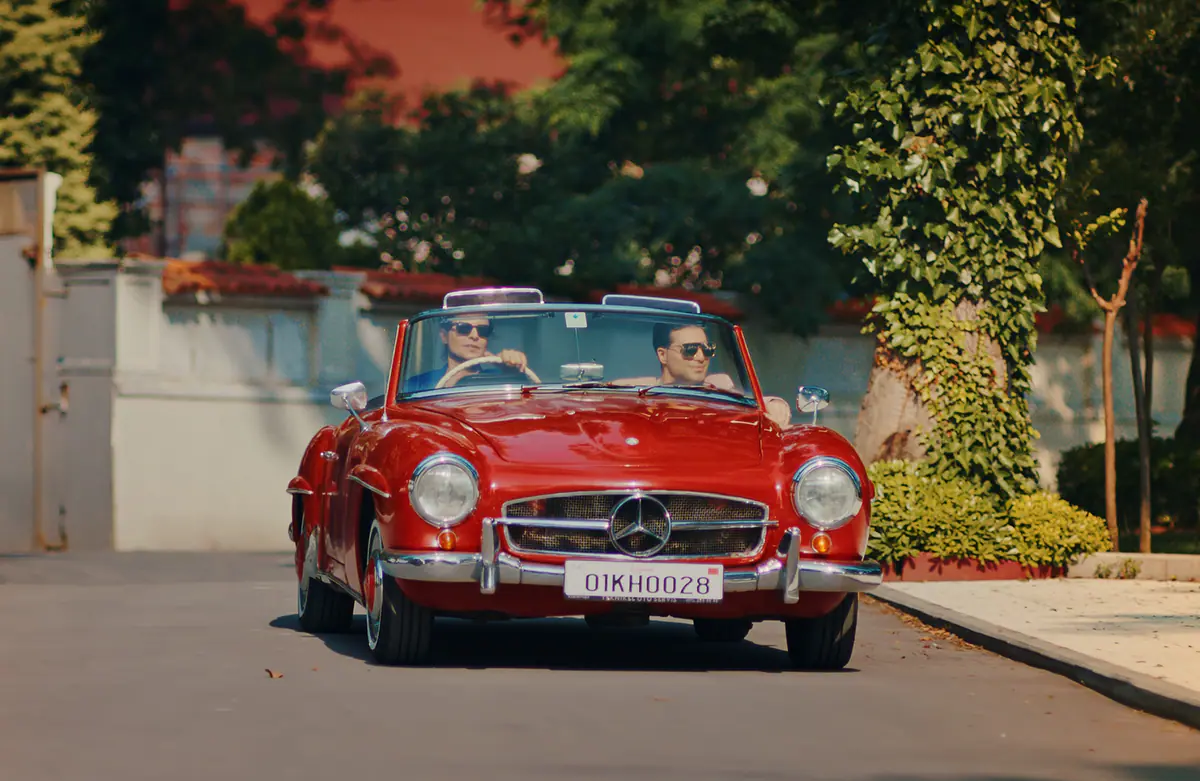
A single frame’s journey from LOG footage to the screen. Scroll down and watch the same image change at every step.
01 / 07 · Raw footage
- 01
Raw footage
It all starts with a flat image.
Professional cameras record in a flat, washed-out format called LOG. It keeps as much light and color information as possible, but looks grey and lifeless to the eye. This is the raw material of color grading.
- 02
Technical transform
First, we translate the image.
The LOG footage is transformed into a color space such as the broadcast standard Rec.709. Contrast and saturation come back, but so do the white balance shifts and lighting differences from the set.
- 03
Balance
Then we build a neutral base.
We create a balanced base where whites are truly white and blacks truly black. We remove unwanted color casts and match shots filmed on different cameras or at different times of day.
- 04
Primary grade
We shape light and contrast.
With lift, gamma and gain we shape the shadows, midtones and highlights separately. This is where the depth and weight of the image emerge.
- 05
Secondary grade
We guide the viewer’s eye.
With masks and qualifiers we work on just part of the frame: gently darkening the edges, protecting skin tones and drawing the eye to what matters in the story.
- 06
Look
And we give the story a character.
A look is a project’s own color language: warm, cold, nostalgic or tense. Together with the director and cinematographer, we design the look that serves the emotion of the narrative.
- 07
Final
The result: the image on screen.
Every decision is made consistent scene by scene and delivered to broadcast, cinema or streaming specifications. The frame you see is the final grade by senior colorist Burak Turan for this project.
Frequently asked questions
What is the difference between color grading and color correction?
Color correction is technical: exposure, white balance and shot-to-shot consistency. Color grading is creative: designing a look that gives the image emotion and character. On a professional project both are done together.
What does a colorist do?
A colorist works with the director and cinematographer to build a project’s visual language through color, balancing the footage, creating the look and preparing the project for delivery specifications.
Why does shooting LOG matter?
LOG footage keeps the widest possible dynamic range the camera captured. That preserves more detail in the highlights and shadows during grading and gives more freedom to shape the look.
How long does color grading take?
It depends on the length of the project, the number of shots and the complexity of the look. A commercial and a TV episode or feature film need very different planning. Share your project with us for a clear schedule.
Now it’s your turn.
Try the same steps yourself in Grade Lab, or get in touch about your project.